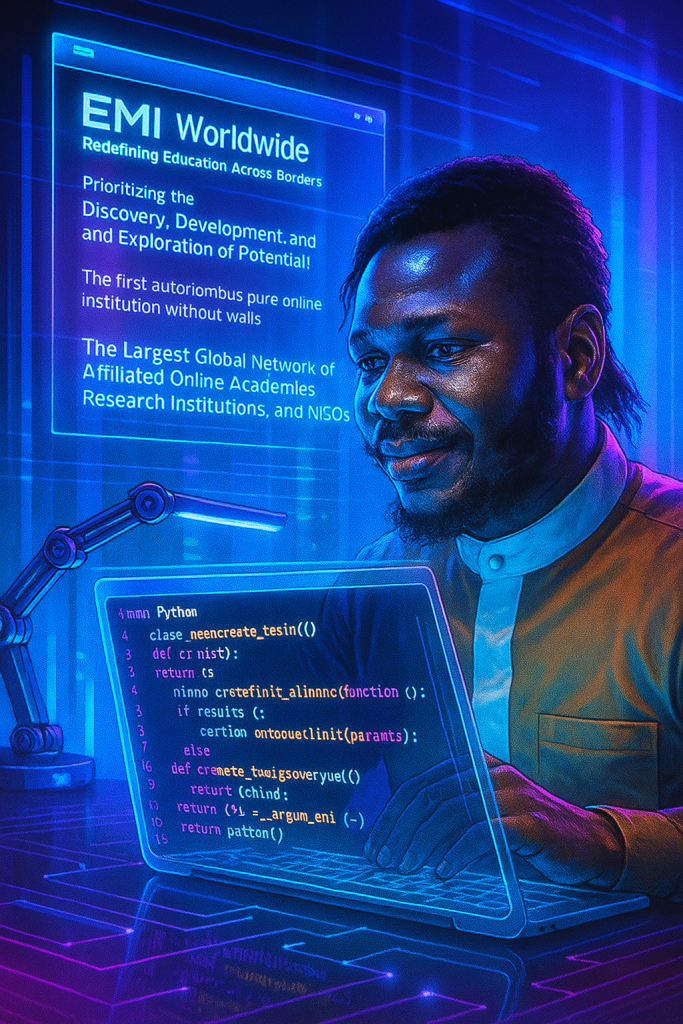
Lecture 20: Capstone Review & Future of Computer Science Engineering
This lecture serves as a capstone review, summarizing the key concepts covered in the Computer Science Engineering series and reflecting on the future of the discipline. It ties together fundamental theories, practical applications, and emerging trends to give learners a holistic understanding of computer science as both a science and an engineering field.
1. Recap of Core Areas
Throughout this lecture series, we have explored multiple domains of computer science engineering. Key highlights include:
- Computer Architecture: From basic logic gates to advanced pipelining and parallelism.
- Data Structures & Algorithms: Foundations of efficient problem-solving and computation.
- Operating Systems: Resource management, process scheduling, and system security.
- Database Systems: Relational models, SQL, and advanced topics like distributed databases and NoSQL.
- Computer Networks: Communication protocols, TCP/IP, OSI layers, and advanced networking concepts.
- Software Engineering: Development methodologies, testing, and lifecycle management.
- Artificial Intelligence & Machine Learning: Intelligent systems, predictive analytics, and neural networks.
- Cybersecurity: Protecting systems from threats, encryption, and security policies.
- Cloud Computing & Virtualization: On-demand computing, scalability, and virtualization technologies.
- Internet of Things (IoT): Smart devices, edge computing, and real-time data processing.
- Data Science & Big Data Analytics: Extracting insights from large datasets using ML and AI.
- Blockchain & Emerging Technologies: Decentralized systems, cryptocurrencies, and technological convergence.
2. Integration of Knowledge
The strength of Computer Science Engineering lies not only in its individual fields but also in their integration. For example:
- Data Science uses algorithms, databases, and distributed systems for insights.
- IoT relies on networking, cloud, and security for large-scale deployment.
- Blockchain integrates cryptography, distributed systems, and consensus models.
- AI combines data structures, algorithms, and hardware optimization.
3. The Evolving Role of Computer Scientists and Engineers
- Problem Solvers: Designing algorithms and architectures for global challenges.
- Innovators: Creating technologies that redefine industries and human interaction.
- Guardians of Security: Ensuring systems are resilient against cyber threats.
- Ethical Leaders: Addressing the societal implications of AI, data privacy, and automation.
- Collaborators: Working across domains such as healthcare, finance, education, and government.
4. Future Trends in Computer Science Engineering
- Quantum Computing: Solving problems beyond the capacity of classical computers.
- AI Everywhere: Integration into daily life, from healthcare to autonomous vehicles.
- Edge and Fog Computing: Moving computation closer to data sources.
- 5G and Beyond: Enabling ultra-fast, reliable communication for IoT and AR/VR.
- Cyber-Physical Systems: Blending the digital and physical worlds in industries and smart cities.
- Ethical and Responsible Tech: Increasing focus on fairness, transparency, and accountability in AI and data usage.
5. Challenges Ahead
- Scalability: Handling exponential data and user growth.
- Security: Protecting against increasingly sophisticated cyberattacks.
- Energy Efficiency: Building greener, more sustainable computing solutions.
- Equity in Technology: Ensuring fair access to digital resources globally.
- Interdisciplinary Collaboration: Bridging gaps between engineering, sciences, and humanities.
6. Conclusion
The journey through Computer Science Engineering reveals a discipline that is dynamic, interdisciplinary, and impactful. From foundational theories to cutting-edge technologies, it continues to shape the way we live, work, and interact with the world. As we move forward, the next generation of engineers and scientists must embrace not only technical mastery but also ethical responsibility to ensure technology serves humanity in positive ways.
Final Thought
Computer Science Engineering is not just about machines and algorithms—it is about unlocking human potential through innovation. The future belongs to those who can imagine, design, and implement technologies that make life smarter, safer, and more meaningful.
This concludes the Computer Science Engineering Lecture Series. Congratulations on completing the journey!
🎁 Bonus Lecture: Artificial Intelligence (AI)
As a special addition to the Computer Science Engineering Lecture Series, we present this Bonus Session on Artificial Intelligence (AI). While AI was originally planned for Lecture 9, we have included it here as a capstone extension so learners can still gain exposure to one of the most transformative areas of modern Computer Science.
This bonus lecture introduces AI fundamentals, explores machine learning, and discusses the applications and ethical challenges of intelligent systems. A short quiz and assignment are also provided to deepen understanding.
🔗 See below for the full lecture content: Bonus Lecture: Artificial Intelligence (AI)
📘 Recommended for all EMI learners who want to strengthen their knowledge of emerging technologies!
 English Master Institute (EMI) Worldwide